The Leisure Media Company Ltd
 
EMPLOYERS: POST A JOB
Free ezines & magazines
News Video Training Products Magazines Spa Business spa-kit Handbook What's on Advertise Subscribe
Catalogue gallery
More catalogues
Diary dates
Powered by leisurediary.com
21-23 Jun 2026
Midlands (Venue TBA), Liphook, United Kingdom
22-22 Jun 2026
Worldwide,
26-27 Jun 2026
Tobacco Docks, London, United Kingdom
03-05 Jul 2026
Copenhagen, Copenhagen, Denmark
19-21 Jul 2026
The Global Ambassador , Phoenix, United States
22-25 Jul 2026
The Global Ambassador , Phoenix, United States
23-26 Aug 2026
The Riviera Maya Edition Kanai, Playa del Carmen, Mexico
10-12 Sep 2026
MITEC Kuala Lumpur,Malaysia, Malaysia
Researchers crack the code for exercise motivation
By Frances Marcellin 14 Apr 2022
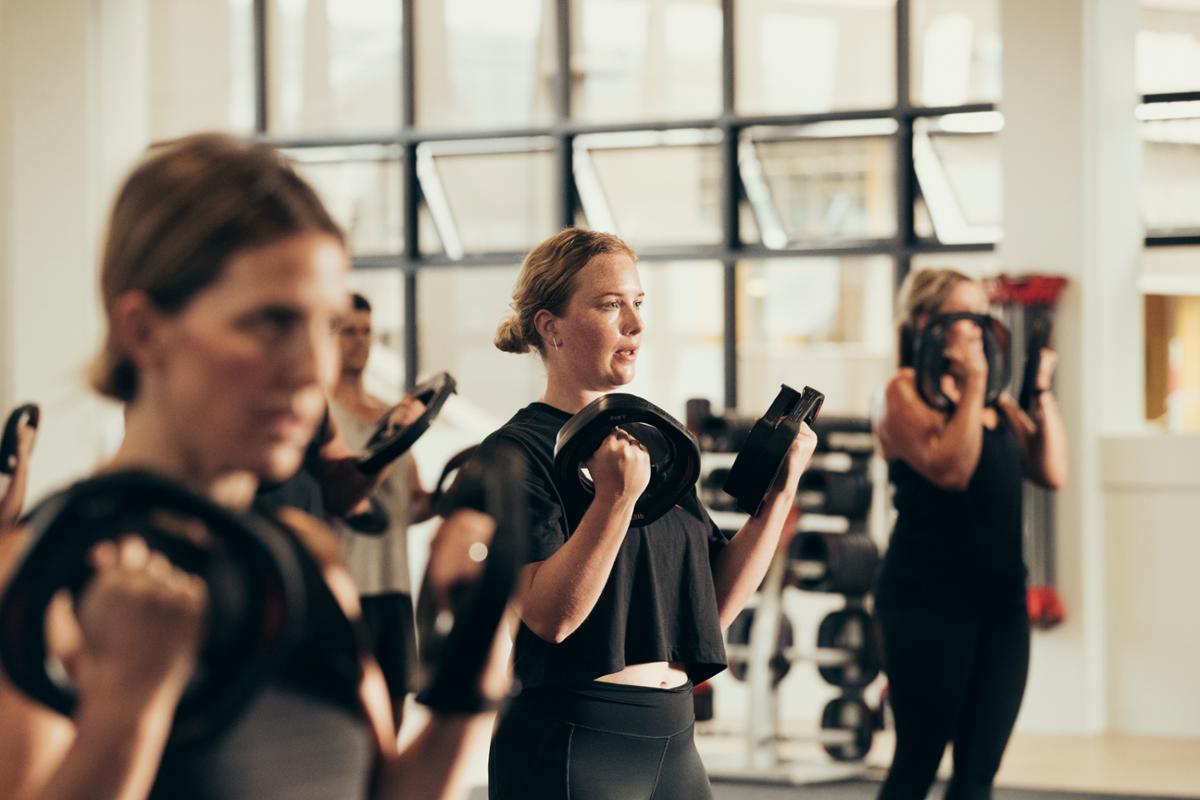
People who achieve automaticity, making exercise a powerful habit, enjoy a wide range of emotional and physical health benefits Credit: Les Mills
A study by the Les Mills Research Lab has found that automaticity is the key to exercise adherance.
Automaticity means behaviours become habits, such as brushing teeth or saying 'please' and 'thank you'.
The trait has wide physical and mental health benefits and can be learned.
Dr Jinger Gottschall, adjunct associate professor at the University of Colorado conducted the study with Bryce Hastings, head of research at Les Mills.
Exercise scientists at the Les Mills Research Lab have identified the trait of automaticity – turning exercise into a habit – as the key differentiator between active and inactive people.

Their research found 100 per cent of active people strongly agreed that exercise is an automatic aspect of their lives, whereas 92 per cent of inactive people disagreed.

The researchers also explored which behaviours and conditions help to instil automaticity – discovering that these habitual behaviours can be learned with the right approach and support.

The pilot study examined two groups – one comprising regular exercisers who had been doing at least 150 minutes per week for the previous 10 years or more and the other comprising people who rarely exercised.

As well as finding substantial differences in the two groups’ approaches to exercise and perceptions of its benefits, the study also identified contrasts in their wider wellbeing.

Over three quarters (77 per cent) of the active group strongly agreed that they’re satisfied with their life in terms of career, relationships, quality of life, financial prospects, and self-esteem, against only 23 per cent of the inactive group.

Meanwhile, 62 per cent of the inactive group felt they lacked control in their daily life, reporting regularly feeling nervous, stressed, and angry or upset about things outside of their control, versus only 38 per cent of the active group.

Outlook on exercise
Unsurprisingly, the active group were more motivated by the physical, mental and self-esteem benefits brought by exercise when compared to the inactive group.

The biggest difference was found in subject’s perceptions of the social benefits of exercise, with 84 per cent of the active group being motivated by the social aspects of exercise (exercise as a source of entertainment, fun, and means of seeing friends), against just 48 per cent of the inactive group.

And 92 per cent of the active group said they always experience positive feelings from exercise, such as enjoyment and feeling energised and accomplished, compared to just 23 per cent of the inactive group.

Blockers and enablers
The active group were more likely to track their exercise and set goals, but the most notable differences were how the active group focused on the health benefits of exercise (82 per cent vs 45 per cent of the inactive group); scheduled specific times for exercise (77 per cent vs 36 per cent), and planned ways to ensure they exercise regardless of conditions (84 per cent vs 38 per cent).

77 per cent of the active group preferred incorporating challenges into their exercise, such as pushing through exhaustion, muscle soreness, and upping the intensity, while 70 per cent of the inactive group said they don’t enjoy challenges.

Lack of motivation, time, and facilities were all seen as bigger barriers to exercise by the inactive group than the active group, but the clearest contrasts were lack of social support (reported by 51 per cent of the inactive group, versus just 8 per cent of the active group); lack of interest in exercising (66 per cent vs 15 per cent); and feeling self-conscious (49 per cent vs 8 per cent).

Dr Jinger Gottschall, adjunct associate professor at the University of Colorado and lead researcher for the study said: “Most people understand that exercise is good for them and a cornerstone of good health, but far fewer of us are able to put this into practice and lead a consistently active lifestyle. Our research finds that automaticity represents the key to long-term exercise adherence and is a key differentiator between active and inactive people.

“The good news is that we’ve identified several practical steps that people can take to embed regular exercise as a full-fledged habit, such as focusing on activities you find enjoyable, managing intensity levels in the early stages and adding social elements to your exercise.

Bryce Hastings, Les Mills' head of research and co-author of the study, added: “What our research shows is that there are substantial differences between seasoned exercisers and complete beginners in how they perceive physical activity and the effect it has on them. For people looking to start exercising more regularly, there are numerous tactics they use to ease themselves in and overcome some of the initial barriers that hold people back.

“Making use of digital fitness options at home to mitigate feelings of self-consciousness, develop technique and find the things you enjoy most can be a great way to dip your toe in the water without having to dive in at the deep end and start live classes straight away. Seeking workouts that allow for autonomy and independence with respect to challenge and complexity will provide the necessary flexibility to find your level and continually progress while adding social elements to your sessions by training with a friend is another great way to reinforce the habit.”


News
1 to 12 of 9480 news stories
18 Jun 2026
Mass protests have been taking place since Monday 1 June in Albania over the development of a luxury resort by Donald Trump’s daughter Ivanka Trump and her husband Jared Kushner. The country’s capital city, Tirana, ... More
12 Jun 2026
Global luxury hospitality brand, Six Senses, has partnered with longevity healthcare provider, HUM2N, to launch a clinic at Six Senses London, at The Whiteley. This collaboration is significant as it reflects a shift by Six ... More
10 Jun 2026
Premium London health club, KX Chelsea, is gearing up to unveil its most significant redevelopment since its launch in 2002. The club has been reimagined to create an integrated wellness model combining training, recovery and ... More
15 Jun 2026
Barons Eden, the UK parent company that operates luxury destination properties in England, has rebranded to become Hiddenwell. The change to the parent identity was carried out following research conducted to help the business strengthen ... More
09 Jun 2026
Hotel de France, located on the British Isle of Jersey, has created a wellness retreat package that includes a hot yoga session that will take place in Jersey Zoo’s butterfly sanctuary. The all-inclusive two-night Ayush ... More
08 Jun 2026
Longevitix, a clinical platform for preventive and longevity medicine, has launched its AI-powered intelligence system to help physicians deliver continuous, personalised longevity-focused care at scale. Longevitix combines years of scattered patient data into a complete ... More
07 Jun 2026
Luxury wellness resort, The Retreat Costa Rica, has introduced its Vida Mía Longevity Centre at the property’s Vida Mía Healing Centre and Spa.  The longevity centre adds physician-guided programming to the resort, which was founded ... More
08 Jun 2026
Atmantan Wellness Centre, an integrative wellness destination in Mulshi, near Pune in India, is expanding its portfolio by adding a new centre in Hyderabad that will launch between 2028 and 2029. Atmantan is a retreat ... More
11 Jun 2026
As part of its first hotel partnership, Mayrlife – the medical health resort company known for its site in Altaussee, Austria – has launched a day clinic at the Rosewood Vienna. Mayrlife offers holistic health ... More
10 Jun 2026
Rosewood Le Guanahani St Barth, on the northeast coast of Saint Barthélemy in the French West Indies, is offering a programme of ocean-inspired yoga classes between 8-14 June to celebrate Global Wellness Day (GWD). GWD ... More
09 Jun 2026
The Ritz-Carlton, Langkawi, in Malaysia, has revealed a schedule for Global Wellness Day (GWD) that includes guided rainforest walks, mindful movement and guided coastal meditation experiences. Founded in 2012 by Belgin Aksoy in Turkey, GWD ... More
05 Jun 2026
Mexican operator, Solmar Hotels and Resorts, is hosting a series of events in celebration of Global Wellness Day, including a Temazcal ceremony at its Playa Grande Resort and Spa in Los Cabos. The not-for-profit movement, ... More
     
International SPA Association - iSPA
Spa Life International
Company Profile
UK Spa Association
Our mission is to raise awareness of our industry within schools, colleges, society and crucially at [more]
 
MORE PROFILES
Featured Supplier
Meet Desert Therapy: Aromatherapy Associates' first new blend in seven years
There is a particular quality of stillness found only in the desert. ... more
 bbspa_Group
Product news
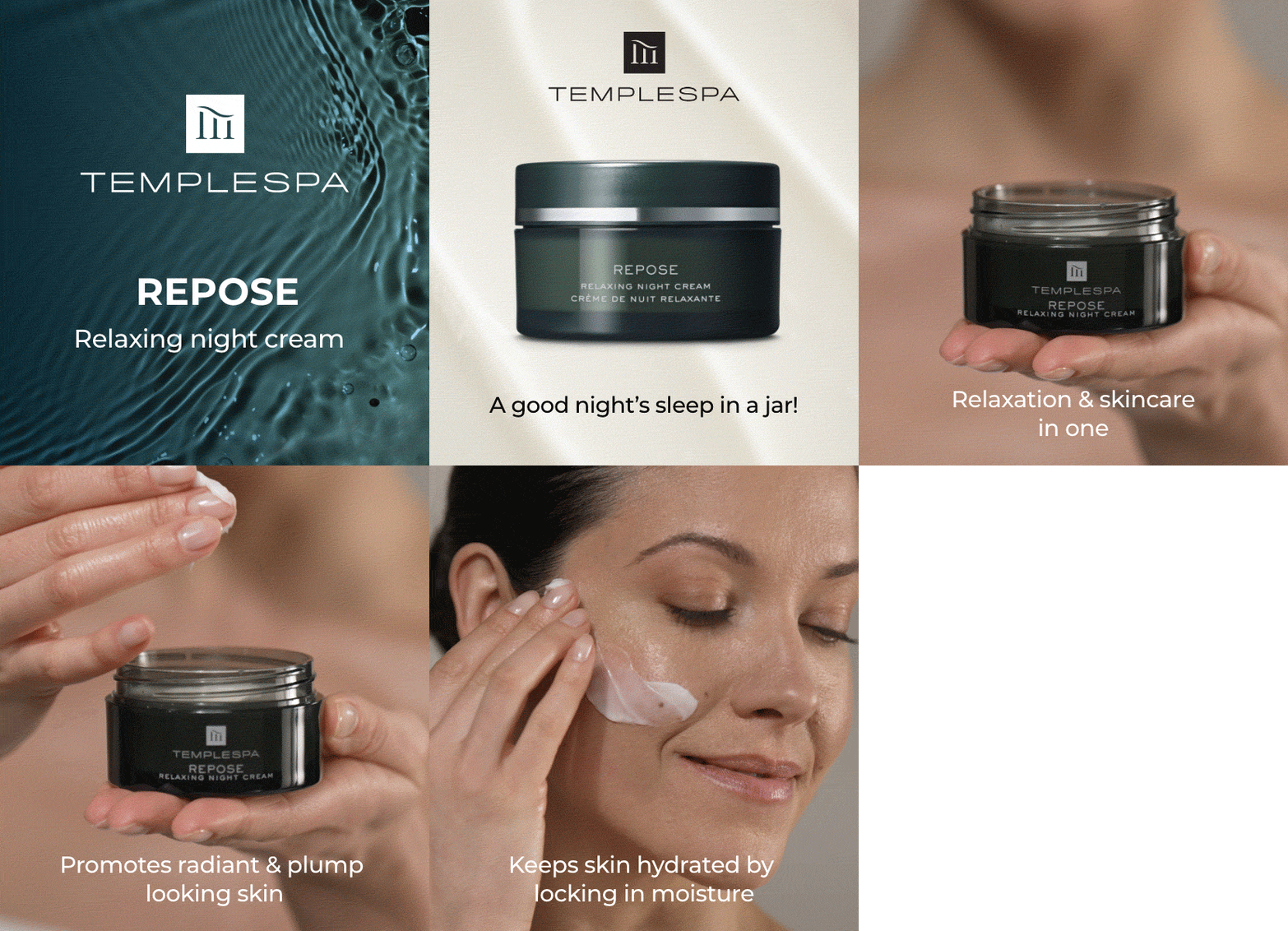
Pharmos Natur launches Lunar Skin Ritual using products designed to work at night
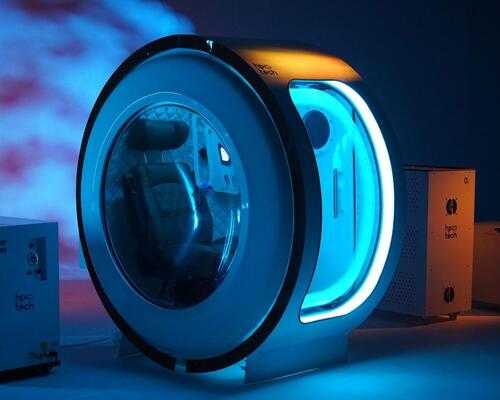
HPO Tech introduces hyperbaric chamber, Oyster
Glow beyond protection: meet Comfort Zone Hydramemory Hybrid Glow SPF 30
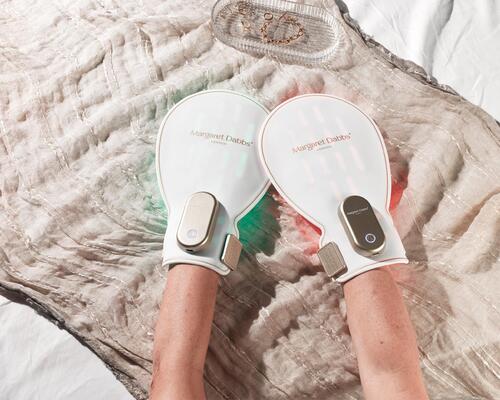
Rebalance Tech ramps up Impulse rollout
Manduka debuts premium P/ROX hybrid fitness mat
Voya launches Resurge Hair and Scalp Elixir and spa treatments
Directory

 
JOBS
NEWS
VIDEO
TRAINING
PRODUCTS
MAGAZINE
 
SPA BUSINESS
SPA-KIT.NET
SPA BUSINESS HANDBOOK
SUBSCRIBE
ADVERTISE
FREE DIGITAL SUBSCRIPTIONS
CONTACT US

Leisure Media
Tel: +44 (0)1462 431385

©Cybertrek 2026


The Leisure Media Company Ltd
News   Products   Magazine
NEWS
Researchers crack the code for exercise motivation
POSTED 14 Apr 2022 . BY Frances Marcellin
People who achieve automaticity, making exercise a powerful habit, enjoy a wide range of emotional and physical health benefits Credit: Les Mills
A study by the Les Mills Research Lab has found that automaticity is the key to exercise adherance.
Automaticity means behaviours become habits, such as brushing teeth or saying 'please' and 'thank you'.
The trait has wide physical and mental health benefits and can be learned.
Dr Jinger Gottschall, adjunct associate professor at the University of Colorado conducted the study with Bryce Hastings, head of research at Les Mills.
Exercise scientists at the Les Mills Research Lab have identified the trait of automaticity – turning exercise into a habit – as the key differentiator between active and inactive people.

Their research found 100 per cent of active people strongly agreed that exercise is an automatic aspect of their lives, whereas 92 per cent of inactive people disagreed.

The researchers also explored which behaviours and conditions help to instil automaticity – discovering that these habitual behaviours can be learned with the right approach and support.

The pilot study examined two groups – one comprising regular exercisers who had been doing at least 150 minutes per week for the previous 10 years or more and the other comprising people who rarely exercised.

As well as finding substantial differences in the two groups’ approaches to exercise and perceptions of its benefits, the study also identified contrasts in their wider wellbeing.

Over three quarters (77 per cent) of the active group strongly agreed that they’re satisfied with their life in terms of career, relationships, quality of life, financial prospects, and self-esteem, against only 23 per cent of the inactive group.

Meanwhile, 62 per cent of the inactive group felt they lacked control in their daily life, reporting regularly feeling nervous, stressed, and angry or upset about things outside of their control, versus only 38 per cent of the active group.

Outlook on exercise
Unsurprisingly, the active group were more motivated by the physical, mental and self-esteem benefits brought by exercise when compared to the inactive group.

The biggest difference was found in subject’s perceptions of the social benefits of exercise, with 84 per cent of the active group being motivated by the social aspects of exercise (exercise as a source of entertainment, fun, and means of seeing friends), against just 48 per cent of the inactive group.

And 92 per cent of the active group said they always experience positive feelings from exercise, such as enjoyment and feeling energised and accomplished, compared to just 23 per cent of the inactive group.

Blockers and enablers
The active group were more likely to track their exercise and set goals, but the most notable differences were how the active group focused on the health benefits of exercise (82 per cent vs 45 per cent of the inactive group); scheduled specific times for exercise (77 per cent vs 36 per cent), and planned ways to ensure they exercise regardless of conditions (84 per cent vs 38 per cent).

77 per cent of the active group preferred incorporating challenges into their exercise, such as pushing through exhaustion, muscle soreness, and upping the intensity, while 70 per cent of the inactive group said they don’t enjoy challenges.

Lack of motivation, time, and facilities were all seen as bigger barriers to exercise by the inactive group than the active group, but the clearest contrasts were lack of social support (reported by 51 per cent of the inactive group, versus just 8 per cent of the active group); lack of interest in exercising (66 per cent vs 15 per cent); and feeling self-conscious (49 per cent vs 8 per cent).

Dr Jinger Gottschall, adjunct associate professor at the University of Colorado and lead researcher for the study said: “Most people understand that exercise is good for them and a cornerstone of good health, but far fewer of us are able to put this into practice and lead a consistently active lifestyle. Our research finds that automaticity represents the key to long-term exercise adherence and is a key differentiator between active and inactive people.

“The good news is that we’ve identified several practical steps that people can take to embed regular exercise as a full-fledged habit, such as focusing on activities you find enjoyable, managing intensity levels in the early stages and adding social elements to your exercise.

Bryce Hastings, Les Mills' head of research and co-author of the study, added: “What our research shows is that there are substantial differences between seasoned exercisers and complete beginners in how they perceive physical activity and the effect it has on them. For people looking to start exercising more regularly, there are numerous tactics they use to ease themselves in and overcome some of the initial barriers that hold people back.

“Making use of digital fitness options at home to mitigate feelings of self-consciousness, develop technique and find the things you enjoy most can be a great way to dip your toe in the water without having to dive in at the deep end and start live classes straight away. Seeking workouts that allow for autonomy and independence with respect to challenge and complexity will provide the necessary flexibility to find your level and continually progress while adding social elements to your sessions by training with a friend is another great way to reinforce the habit.”
RELATED STORIES
FEATURE: Research: New generation yoga


Passive relaxation improves heart rate variability. This study shows active interventions can have the same effect
FEATURE: Functional: The ‘fun’ in functional


Experts share their tips on how to make functional training more fun for members
FEATURE: Group exercise: The power of groupness


Does your fitness studio off er the antidote to tech-driven loneliness?
FEATURE: Retention: Pain response


HIIT is hot right now – but are you optimising it for all your members, or are some put off by the pain? We look at ways to ensure a positive experience
MORE NEWS
Protests continue in Albania against US$1.6 billion luxury resort backed by Jared Kushner and Ivanka Trump
Mass protests have been taking place since Monday 1 June in Albania over the development of a luxury resort by Donald Trump’s daughter Ivanka Trump and her husband Jared Kushner.
Barons Eden rebrands to Hiddenwell ahead of spa hotel portfolio expansion
Barons Eden, the UK parent company that operates luxury destination properties in England, has rebranded to become Hiddenwell.
Belgin Aksoy marks 15 years of Global Wellness Day
Global Wellness Day (GWD) marked its 15th anniversary on Saturday 13 June 2026, with the theme: #JoyMagenta – a celebration of the healing qualities of simple gestures and activities that spark joy.
HUM2N launches longevity clinic at Six Senses London
Global luxury hospitality brand, Six Senses, has partnered with longevity healthcare provider, HUM2N, to launch a clinic at Six Senses London, at The Whiteley.
Mayrlife opens first hotel day clinic in partnership with Rosewood Vienna
As part of its first hotel partnership, Mayrlife – the medical health resort company known for its site in Altaussee, Austria – has launched a day clinic at the Rosewood Vienna.
KX Chelsea invests £15 million to upgrade its wellness offering
Premium London health club, KX Chelsea, will imminently unveil its most significant redevelopment since its launch in 2002 to create an integrated wellness model combining training, recovery and relaxation.
+ More news   
 
COMPANY PROFILES
bbspa_Group

The technical advice offered by bbspa is delivered via four specialist departments which offer turn [more...]
+ More profiles  
DIRECTORY
+ More directory  
DIARY


21-23 Jun 2026

Spa Life International (UK)

Midlands (Venue TBA), Liphook, United Kingdom
22-22 Jun 2026

World Bathing Day

Worldwide,
+ More diary  


CONTACT US

Leisure Media
Tel: +44 (0)1462 431385

©Cybertrek 2026

ABOUT LEISURE MEDIA
LEISURE MEDIA MAGAZINES
LEISURE MEDIA HANDBOOKS
LEISURE MEDIA WEBSITES
LEISURE MEDIA PRODUCT SEARCH
PRINT SUBSCRIPTIONS
FREE DIGITAL SUBSCRIPTIONS